
Orthopaedics – Surgeries – Treatment
Shoulder Condition Treatment
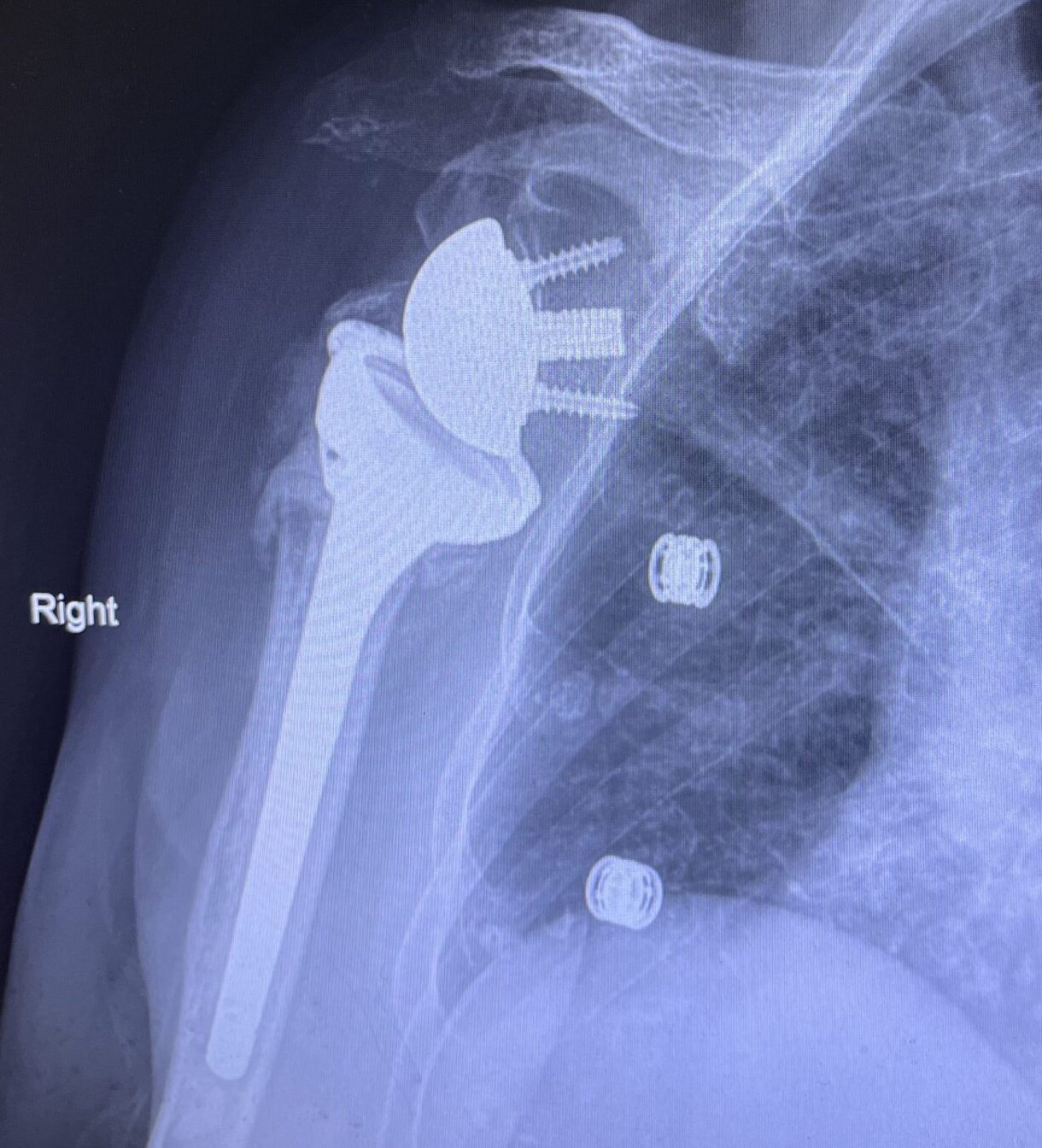
Shoulder Arthroplasty
The shoulder joint consists of the connection between the head of the humerus and the glenoid cavity of the scapula. When the joint suffers significant damage and conservative treatments or arthroscopy are no longer effective, shoulder arthroplasty is recommended to relieve pain and restore arm functionality.
The procedure is mainly performed in severe cases, such as osteoarthritis, rotator cuff tears, avascular necrosis of the humeral head, and massive tendon ruptures. 80% of cases involve reverse shoulder arthroplasty, while the remaining 20% involve anatomic shoulder arthroplasty.
Anatomic arthroplasty is recommended when the bone structure is in good condition and the rotator cuff is intact. The head of the humerus and the socket are replaced, usually with metal and plastic implants. In contrast, reverse arthroplasty is ideal for extensive tendon damage or severe joint degeneration, reversing the joint mechanics.
The procedure is performed through a small 10 cm incision, without muscle damage, and lasts about one hour. The patient begins arm movement a few hours after surgery, and after 20 days enters a physiotherapy program.
Reverse shoulder arthroplasty is considered reliable and effective, with postoperative recovery lasting about 6 weeks, including physiotherapy and sling use for the first two weeks.

 English
  Greek
Greek