
Orthopaedics – Surgeries – Treatment
Removal of Calcifications (Shoulder Calcific Tendinitis)
Shoulder Condition Treatment
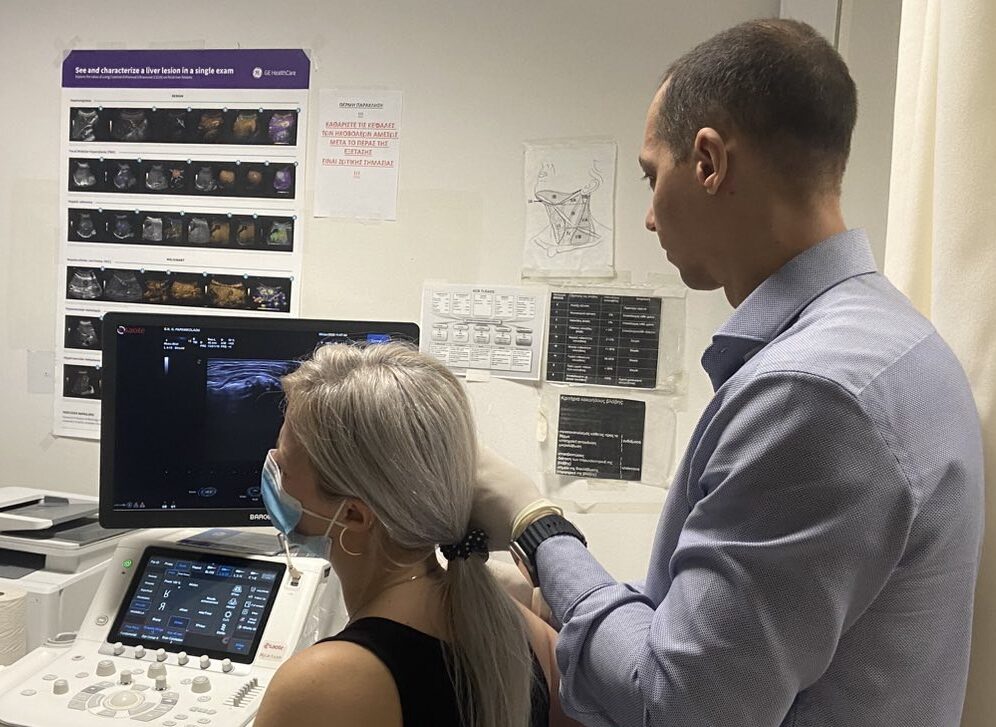
In the case of shoulder calcific tendinitis, calcium salt deposits accumulate in the tendons of the rotator cuff, primarily in the supraspinatus and infraspinatus tendons, as a result of tissue degeneration. This accumulation causes swelling, increased pressure, and chemical irritation of the tissues. Recurrent inflammation in the same area can lead to localized tissue necrosis, which, due to lack of blood supply, becomes vulnerable to calcium buildup.
The progression of the disease includes three stages:
- Formation of calcifications: The initial stage, during which the calcium deposits begin to form.
- Resting phase: The second stage, during which no severe symptoms are observed, but the groundwork is laid for the next phase.
- Resorptive phase: The final stage, during which the calcium deposits dissolve and are discharged into the bursa, causing intense pain. The pain becomes especially noticeable during movements above shoulder height and at night when lying on the affected side, impairing arm mobility.
Treatment:
Treatment, depending on the stage, chronicity, and level of pain, includes:
- Administration of non-steroidal anti-inflammatory drugs (NSAIDs) combined with a local anesthetic.
- Local subacromial corticosteroid injections.
- Intra-articular injections with biological agents (PRP).
- Barbotage technique for calcium deposit removal under ultrasound guidance.
- Physiotherapy interventions to restore movement and reduce pain.
- Arthroscopic removal of calcifications and treatment of rotator cuff tendinopathy.
Accurate diagnosis, proper use of ultrasound as both a diagnostic and therapeutic tool, and final treatment by a specialized Orthopedic Surgeon, such as Dr. Nikolaos Platon Sachinis, are of critical importance for the effective management of calcific tendinitis.

 English
  Greek
Greek