
Orthopaedics – Surgeries – Treatment
Shoulder Arthroscopy.
Shoulder Condition Treatment
Shoulder arthroscopy is a modern, minimally invasive technique that has evolved into a primary method for addressing numerous orthopedic conditions, often replacing the need for open surgery. Initially, it was used exclusively for diagnostic purposes, allowing the physician to obtain a clear view of the joint from the inside.
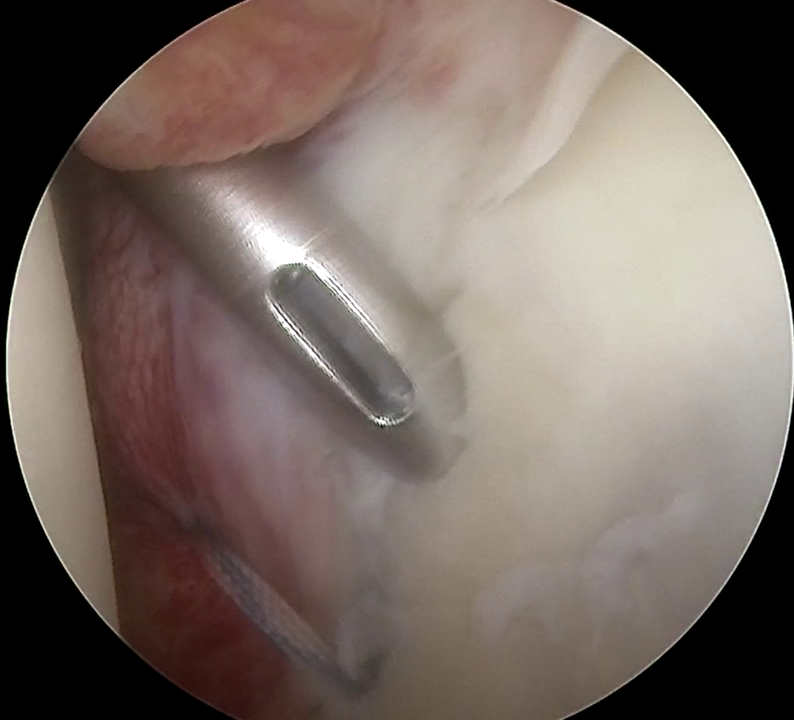
The advantages of arthroscopy include:
- Enhanced visibility for the surgeon, especially in hard-to-reach areas of the joint.
- Minimization of pain and bleeding.
- Minimal trauma to surrounding tissues and reduced risk of infections.
- Better aesthetic outcome without visible scarring.
- Short hospitalization period (a few hours or up to 24 hours).
- Faster recovery and quicker return to daily activities.
Shoulder conditions and injuries treated arthroscopically:
- Rotator cuff tear (supraspinatus, infraspinatus, subscapularis tendons)
- Calcific tendinitis.
- Shoulder stiffness or "frozen shoulder."
- Injuries and disorders of the acromioclavicular joint.
- Instability and labral tear.
- Subacromial impingement syndrome.
- Lesions of the long head of the biceps tendon.
- Articular cartilage lesions.
- Intra-articular fractures and loose bodies.
- Early stages of arthritis.
- Synovial membrane disorders
- Suprascapular nerve entrapment.
Shoulder arthroscopy is an extremely effective option for treating most joint conditions.

 English
  Greek
Greek